
Call us now :08045476576
 Send Inquiry

 Send Inquiry
Flat Thread Rolling Dies
MOQ : 1 Piece
Flat Thread Rolling Dies Specification
- Life Span
- Long-lasting; typically 2-5 years depending on use
- Working Process
- Cold Forming/Thread Rolling
- Die Head
- Flat
- Shaping Mode
- Rolling
- Usage
- Industrial
- Material
- High-Speed Steel (HSS), Tool Steel
- Size
- Different Size Available
- Application
- Thread production on fasteners, bolts, screws
- Product Type
- Flat Thread Rolling Dies
- Hardness
- 58-62 HRC
- Color
- Silver
- Tolerance
- 0.02 mm
- Surface Finish
- Precision ground and polished
- Corrosion Resistance
- Excellent due to specialized coating
- Dimensions
- Length: 80-400 mm, Width: 10-60 mm, Height: 8-40 mm (customizable)
- Manufacturing Standard
- Conforms to DIN/ISO/JIS
- Packing
- Secured export-worthy packaging
- Coating
- Optional TiN, TiC, or Black Oxide coating
- Thread Profile
- Metric, UNC, UNF, BSP, and customized profiles
- Heat Treatment
- Vacuum hardened and tempered
- Customization
- Available as per customer drawing or thread specification
- Compatibility
- Compatible with all standard thread rolling machines
Flat Thread Rolling Dies Trade Information
- Minimum Order Quantity
- 1 Piece
- Delivery Time
- 7-10 Days
About Flat Thread Rolling Dies
- We manufacture flat thread rolling dies under the strictest quality standards and most precise dimensional control to ensure perfectly matched threads of the correct lead angle on a pair of matching dies.
- Such rigid standards facilitate easy setup, uniformly accurate threads, improved manufacturing yields, reduced machine downtime and longer die life.
- The Dies are available in different sizes & threads and can be customized as per the customers requirement
Precision for Diverse Threading Applications
Designed for industrial-scale thread rolling, our Flat Thread Rolling Dies cater to a wide variety of profiles, including metric, UNC, UNF, BSP, and other customized specifications. Each die undergoes precision grinding and polishing, with optional coatings available to further enhance durability and corrosion resistance. Customization is supported for different dimensions, ensuring the perfect fit and function for unique threading requirements across industries.
Reliable Performance and Extended Life Span
Manufactured using high-speed steel or top-grade tool steel, each die is vacuum hardened, tempered, and meets stringent international standards like DIN, ISO, and JIS. The specialized coatings, robust material selection, and meticulous finishing result in a long-lasting tool life of up to 2-5 years depending on application, making them highly suitable for high-volume industrial thread production.
Comprehensive Support and Global Availability
As experienced manufacturers, exporters, and suppliers based in India, we provide full support for customization based on customer drawings or specifications. Each die is securely packed for export and is readily available for distributors, traders, and industrial users worldwide. With a focus on quality, compatibility, and customer requirements, we deliver reliable tooling solutions across global markets.
FAQ's of Flat Thread Rolling Dies:
Q: How are the flat thread rolling dies manufactured for optimal performance?
A: Our dies are produced from high-speed steel or tool steel, precision ground and polished for accuracy. They undergo vacuum hardening and tempering to ensure the required hardness (58-62 HRC). Optional specialized coatings such as TiN, TiC, or Black Oxide provide increased corrosion resistance and enhance tool life, making them suitable for demanding applications.Q: What thread profiles and sizes can be made using these dies?
A: We offer thread rolling dies with metric, UNC, UNF, BSP profiles, as well as customized thread profiles. Dimensions are highly customizable, with lengths from 80-400 mm, widths of 10-60 mm, and heights of 8-40 mm, or according to customer specifications or drawings.Q: When should I choose coated dies like TiN, TiC, or Black Oxide?
A: Coatings such as TiN, TiC, or Black Oxide are recommended when enhanced wear resistance, reduced friction, and improved corrosion protection are desired. They are particularly beneficial for high-volume or abrasive operations, extending the die's service life and maintaining consistent thread quality.Q: Where can these dies be used, and are they compatible with all machines?
A: These thread rolling dies are compatible with all standard thread rolling machines, making them suitable for various industrial applications, including fastener, bolt, and screw production. Customization ensures they fit specific machinery requirements as needed.Q: What is the typical usage process for these thread rolling dies?
A: The dies are used in cold-forming thread rolling processes where a flat die rolls against a workpiece to form threads without cutting material. This method enhances material strength and produces uniform threads, essential for high-strength fasteners and components.Q: What benefits do these dies offer over other threading tools?
A: Flat thread rolling dies offer longer tool life, precise thread formation, and higher production efficiency. They are capable of maintaining tight tolerances (up to 0.02 mm) and exhibit excellent corrosion resistance when coated, reducing downtime and tooling costs in industrial environments.
Tell us about your requirement

Price:
Quantity
Select Unit
- 50
- 100
- 200
- 250
- 500
- 1000+
Additional detail
Mobile number
Email

More Products in Dies Category
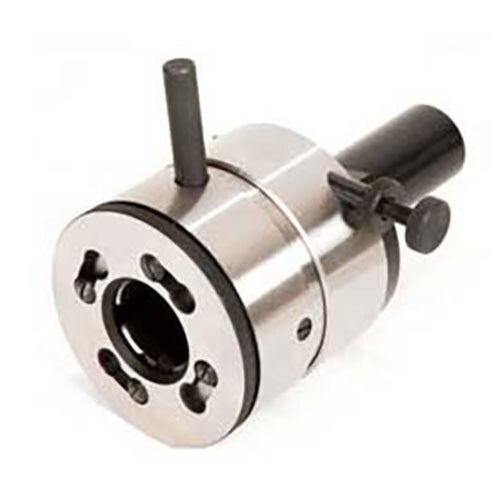
Coventry Die Head
Minimum Order Quantity : 1 Piece
Die Head : Threading
Hardness : 45
Product Type : Coventry Die Head
Tolerance : 0.01 Millimeter (mm)
Material : Steel

Portable Machine Dies
Minimum Order Quantity : 1 Piece
Die Head : Portable Machine Die Head
Hardness : 5862 HRC
Product Type : Portable Machine Dies
Tolerance : 0.01 mm
Material : Steel

Circular Thread Rolling Dies
Minimum Order Quantity : 1 Piece
Die Head : Circular
Hardness : 6267 HRC
Product Type : Circular Thread Rolling Dies
Tolerance : 0.01 mm
Material : Steel

Linco Die Head
Minimum Order Quantity : 1 Piece
Die Head : Linco Die Head
Hardness : 62 HRC
Product Type : Linco Die Head
Tolerance : 0.01 mm
Material : Steel

 Send Inquiry


Our Products
- Threading Machines
- Pipe Socket
- Linco Threading Machine
- Thread Rolling Machine
- Flat Thread Rolling Machine
- Portable Threading Machine
- End Facing Machine
- Dies
- Coventry Chasers
- HSS Threading Chasers
- Bolt Pipe Threading Die Head
- Tangential Threading Chasers
- Threading Taps
- Tangential Chasers
- Coventry Chaser
- Chaser Holder


C-138, Phase-V, Focal Point,Ludhiana - 141010, Punjab, India

Mr Iqbal
(MD)
Mobile :08045476576
 Send Inquiry
 Send SMS

Developed and Managed by Infocom Network Private Limited.


 English
 Spanish
 French
 German
 Italian
 Chinese (Simplified)
 Japanese
 Korean
 Arabic
 Portuguese
