
Call us now :08045476576
 Send Inquiry

 Send Inquiry
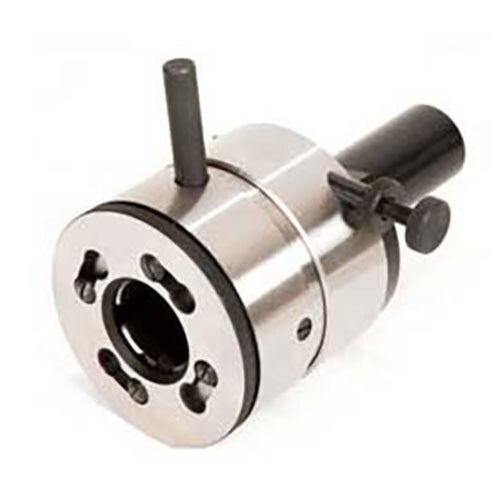
Circular Thread Rolling Dies
MOQ : 1 Piece
Circular Thread Rolling Dies Specification
- Life Span
- Long-lasting (Varies with usage)
- Die Head
- Circular
- Working Process
- Thread Rolling
- Shaping Mode
- Threading
- Usage
- Industrial
- Material
- Steel
- Size
- Different Size Available
- Application
- Thread Formation on Screws, Bolts, Studs, Fasteners
- Product Type
- Circular Thread Rolling Dies
- Hardness
- 62-67 HRC
- Color
- Silver
- Tolerance
- 0.01 mm
- Custom Design
- Available as per requirement
- Maintenance
- Low - Requires periodic lubrication
- Machine Compatibility
- Compatible with Circular Thread Rolling Machines
- Thread Type
- Metric, UNF, UNC, BSP, ACME, Trapezoidal
- Surface Finish
- Precision Ground
- Diameter Range
- 25 mm to 200 mm
- Usage
- Suitable for high volume production
- Coating
- Optional TiN, TiCN, or CrN coatings
- Thread Pitch
- 0.5 mm to 6 mm
- Heat Treatment
- Tempered and case hardened
Circular Thread Rolling Dies Trade Information
- Minimum Order Quantity
- 1 Piece
- Delivery Time
- 7-10 Days
About Circular Thread Rolling Dies
We manufacture Thread Roll Dies from D-2 material in Two Piece set and Three Pcs set in course and fine pitch, in diameter 25mm to 225 mm, width 15 mm to 150 mm, any size in bore.
- All types of thread available.
- We also manufacture as per customers requirement as per drawing or sample
Precision Engineering and Robust Durability
Our Circular Thread Rolling Dies undergo rigorous tempering and case hardening to achieve a hardness of 62-67 HRC. Precision ground surfaces deliver optimal performance and longevity. Optional surface coatings further resist wear, making these dies suitable for high-volume industrial environments demanding accuracy and repeatability.
Versatile Thread Profile and Size Range
With capabilities to craft Metric, UNF, UNC, BSP, ACME, and Trapezoidal threads, our dies accommodate diameters between 25 mm and 200 mm and thread pitches from 0.5 mm to 6 mm. Whether for standard or custom applications, we provide tailored solutions to suit diverse fastening and threading requirements in sectors such as automotive, construction, and machinery manufacturing.
Ease of Operation and Compatibility
Designed specifically for use with circular thread rolling machines, these dies promise quick installation and smooth integration into production lines. Their low-maintenance design-requiring only periodic lubrication-and long service life reduce operational overheads and improve productivity.
FAQ's of Circular Thread Rolling Dies:
Q: How are Circular Thread Rolling Dies used in industrial applications?
A: Circular Thread Rolling Dies are installed on compatible rolling machines to create precise threads on workpieces such as screws, bolts, studs, and fasteners. Through a cold-forming process, the dies shape threads by rolling, ensuring high quality and strength in the final product.Q: What thread types and profiles can these dies accommodate?
A: These dies are versatile, supporting a variety of thread profiles such as Metric, UNF, UNC, BSP, ACME, and Trapezoidal. This flexibility allows manufacturers to address a broad spectrum of threading standards required across industries.Q: When is it beneficial to opt for optional coatings like TiN, TiCN, or CrN?
A: Optional coatings are recommended when processing harder materials or when extended die life is desired. Coatings such as TiN, TiCN, or CrN improve wear resistance, reduce friction, and can enhance surface finish, particularly in demanding or abrasive working environments.Q: Where can these Circular Thread Rolling Dies be used?
A: These dies are ideally suited for industrial settings, including fastener production, automotive workshops, machinery component manufacturing, and any facility requiring precise thread formation on metallic components. Their robust build and adaptability make them suitable for a wide array of machine shops.Q: What is the maintenance requirement for these dies?
A: Maintenance is minimal and generally involves periodic lubrication to ensure smooth operation and reduce wear. Routine checks for surface integrity and timely replacement after extensive use will help prolong die lifespan and maintain threading quality.Q: How does the thread rolling process provide advantages over traditional cutting methods?
A: Thread rolling is a cold-forming process that creates threads without removing material. This method results in stronger, more uniform threads with superior surface finish and increased fatigue resistance compared to threads produced through cutting techniques.Q: Can custom sizes or thread patterns be manufactured upon request?
A: Yes, we offer customization services for non-standard diameters, thread pitches, and unique profiles. Clients can specify requirements to suit specialized applications, ensuring optimal compatibility and performance in their specific production environments.
Tell us about your requirement

Price:
Quantity
Select Unit
- 50
- 100
- 200
- 250
- 500
- 1000+
Additional detail
Mobile number
Email

More Products in Dies Category
Coventry Die Head
Minimum Order Quantity : 1 Piece
Hardness : 45
Size : Different Size Available
Material : Steel
Working Process : Other
Product Type : Coventry Die Head

Linco Die Head
Minimum Order Quantity : 1 Piece
Hardness : 62 HRC
Size : Different Size Available
Material : Steel
Working Process : Other, Thread Cutting / Chasing
Product Type : Linco Die Head

Portable Machine Dies
Minimum Order Quantity : 1 Piece
Hardness : 5862 HRC
Size : Different Size Available
Material : Steel
Working Process : Other, Threading and Forming
Product Type : Portable Machine Dies

Flat Thread Rolling Dies
Minimum Order Quantity : 1 Piece
Hardness : 5862 HRC
Size : Different Size Available
Material : Other, HighSpeed Steel (HSS), Tool Steel
Working Process : Other, Cold Forming/Thread Rolling
Product Type : Flat Thread Rolling Dies

 Send Inquiry


Our Products
- Threading Machines
- Pipe Socket
- Linco Threading Machine
- Thread Rolling Machine
- Flat Thread Rolling Machine
- Portable Threading Machine
- End Facing Machine
- Dies
- Coventry Chasers
- HSS Threading Chasers
- Bolt Pipe Threading Die Head
- Tangential Threading Chasers
- Threading Taps
- Tangential Chasers
- Coventry Chaser
- Chaser Holder


C-138, Phase-V, Focal Point,Ludhiana - 141010, Punjab, India

Mr Iqbal
(MD)
Mobile :08045476576
 Send Inquiry
 Send SMS
 Call Me Free

Developed and Managed by Infocom Network Private Limited.


 English
 Spanish
 French
 German
 Italian
 Chinese (Simplified)
 Japanese
 Korean
 Arabic
 Portuguese
